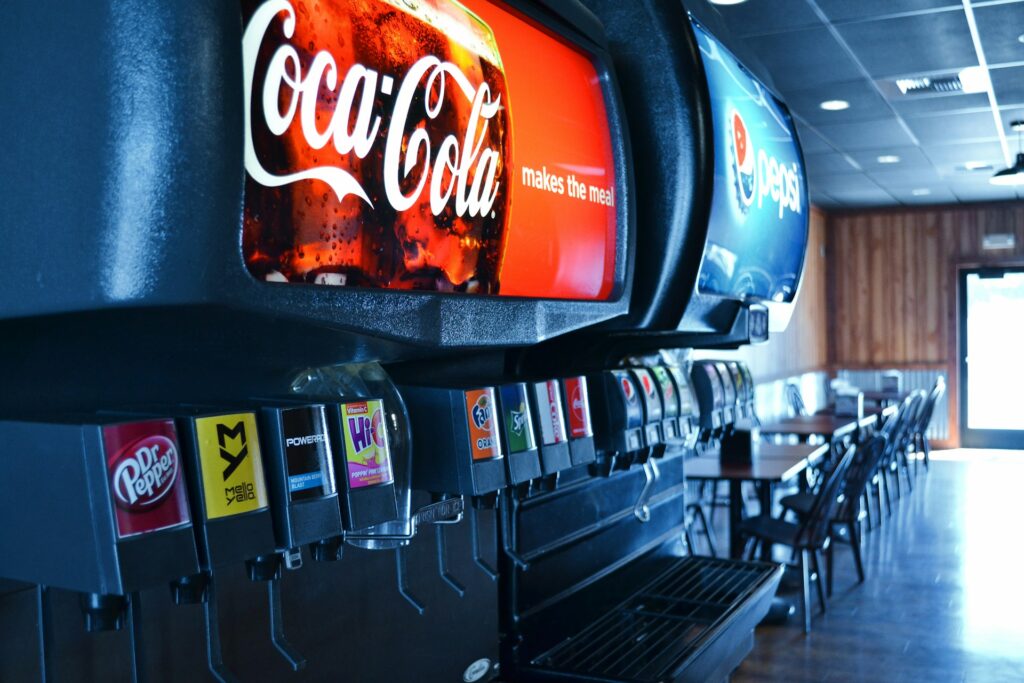
Keep Soda Service Flowing Through Michigan’s Busy Season
Reliable CO2 for a soda fountain keeps drinks fizzy, properly mixed, and ready to serve when customers are lined up. As fall brings football crowds, indoor events, and holiday planning, a CO2 interruption can quickly lead to flat drinks, poor syrup flow, unhappy guests, and missed beverage sales.
The right setup is not the same for every location. CO2 cylinders and bulk CO2 tanks each have a place, depending on your beverage volume, available space, refill needs, equipment setup, and service expectations. Since 1964, we have helped Michigan businesses plan for beverage-grade gases, fountain equipment, CO2 systems, and ongoing service from our Detroit, Saginaw, and Grand Rapids locations.
How CO2 Supports Every Fountain Pour
CO2 does more than add bubbles to a soft drink. In a soda fountain system, the gas mixes with chilled water inside the carbonator. That carbonated water then combines with syrup when a guest presses the fountain valve. The result is the familiar fizz, mouthfeel, and flavor people expect.
Many fountain setups also use CO2 pressure to move syrup from bag-in-box packages to the dispensing equipment. When pressure is not properly balanced, drinks may pour too weak, too strong, or with too little carbonation. A soda fountain can look fine from the outside while gas pressure or syrup delivery problems affect what lands in the cup.
A dependable system includes more than a gas supply. We recommend looking at the full setup, including:
- Carbonators and fountain valves
- Regulators, gas lines, and connectors
- Syrup pumps and bag-in-box connections
- CO2 storage equipment and safe placement
- Service access for routine checks and repairs
When gas delivery and fountain equipment work together, it is easier to spot concerns before they interrupt a busy shift.
When CO2 Cylinders Fit Your Operation
CO2 cylinders are often a practical choice when your fountain beverage demand is modest or your space is limited. We commonly see cylinders work well for smaller restaurants, cafes, concession areas, seasonal operations, and specialty beverage programs that do not need a large continuous gas supply.
One benefit of cylinders is flexibility. You can select a cylinder size that fits your expected usage and work with us on a replacement or exchange process that supports your normal demand. For businesses with changing traffic patterns, that can be a sensible way to manage CO2 for a soda fountain without installing a larger storage system.
Still, cylinders need regular attention. Your team should know how to watch pressure levels, recognize signs that a cylinder is running low, and prepare for a replacement before a high-demand shift. Cylinders also need a designated storage area and proper securing practices.
Michigan weather can add another layer of planning. When winter conditions make deliveries less predictable, it helps to review your replacement process early and make sure your supply plan accounts for busy weekends, private events, and indoor gatherings.
When Bulk CO2 Tanks Make Sense
High-volume locations may be better served by a bulk CO2 tank. This option is often a good fit when you have multiple dispensing stations, a large dining area, a busy bar, frequent events, or steady fountain beverage demand throughout the week.
With a bulk system, CO2 is delivered into a larger on-site tank instead of being supplied through regularly changed cylinders. That can reduce the amount of staff time spent checking, moving, and replacing cylinders. It can also provide more supply capacity when traffic rises during sporting events, weekend crowds, or seasonal celebrations.
Bulk tank planning begins with the location itself. Before installation, we look at whether the site has appropriate space, safe placement options, delivery access, and equipment that matches its expected CO2 demand. Fountain configuration, gas lines, pressure needs, and service access all matter.
A larger tank is not automatically the better answer. The goal is to match the system to how your operation actually runs, including your busiest periods and future beverage plans.
Compare Space, Labor, and Service Needs
The best way to compare cylinders and bulk tanks is to start with your day-to-day beverage demand. Lower or changing demand may point toward cylinders, while consistently higher usage may support a bulk delivery setup. Your current soda sales, number of fountain heads, peak traffic times, and expected growth can all help guide the decision.
It also helps to consider what your staff handles behind the scenes. Cylinder systems require more hands-on monitoring and replacement. Bulk tanks need dedicated installation space and a clear path for service and delivery.
As you review your setup, ask practical questions such as:
- How often does your team change or monitor CO2 cylinders?
- Do you have enough secure storage space for your current supply?
- Can your fountain keep up during your busiest shifts?
- Are regulators, lines, and connectors compatible with the system?
- What happens if your CO2 supply runs low before a major event?
The decision should account for more than the gas itself. Downtime risk, employee handling, equipment condition, delivery timing, and drink quality all shape the right plan. We can help you review the equipment and service details that affect daily operations.
Prepare Your CO2 Supply Before Winter Demand
Fall is a good time to check whether your CO2 setup still fits your operation. If you use cylinders, confirm that your replacement process is dependable and that staff members understand how to identify a low supply. If your location has high, steady beverage demand, it may be time to consider whether a bulk system would reduce handling and help support smoother service.
A professional system review can also include regulators, gas lines, carbonators, fountain equipment, and storage practices. Addressing small concerns before winter weather and high-traffic indoor events can help protect carbonation quality and prevent avoidable service interruptions.
The practical takeaway is simple: match your CO2 supply to your beverage volume, space, and staffing needs. Whether that means cylinders or a bulk tank, a well-planned system helps keep every fountain pour consistent when customers are ready to order.
Keep Your Fountain Service Flowing Smoothly
At Leonard’s, we help businesses choose reliable CO2 for a soda fountain with supply options that fit their operation. Our team can help you evaluate usage, storage, and delivery needs for a dependable setup. Ready to discuss your requirements? Contact us for personalized guidance.